Multimodal oncology
Integrate clinical, genomic, and molecular information for precision cancer care.
Vibert Lab · Junior Research Group
We develop agentic and multimodal AI to support clinical research and decision-making in precision oncology, with a particular interest in rare and difficult-to-classify cancers.

Research
Our research brings together clinical, genomic, and molecular data to study how AI can inform cancer diagnosis, patient stratification, and treatment decisions.
Projects span oncology drug development, early clinical trials, sarcomas, and cancers of unknown primary. We develop methods for digital twins and clinical decision support and examine how agentic systems can help with complex cases, including molecular tumour boards for rare cancers.
Approach
The group connects methodological research with questions that arise in clinical oncology.
Its work draws on bioinformatics, single-cell technologies, and machine learning. The joint setting at IMAI and Gustave Roussy supports cross-border research between Heidelberg and one of Europe’s major centres for precision oncology.
Integrate clinical, genomic, and molecular information for precision cancer care.
Develop decision-support methods for complex and dynamic clinical questions.
Study sarcomas and cancers of unknown primary, where evidence and expertise are scarce.
Connect AI development with drug development, early trials, and clinical evaluation.
Group lead
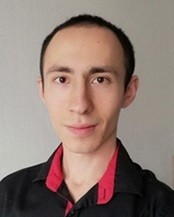
Junior Principal Investigator
Co-affiliated with Gustave Roussy, Paris


Collaborate
We welcome collaborations with clinical and computational teams working in precision oncology, rare cancers, clinical trials, and AI-supported decision-making.
contact@kather.ai